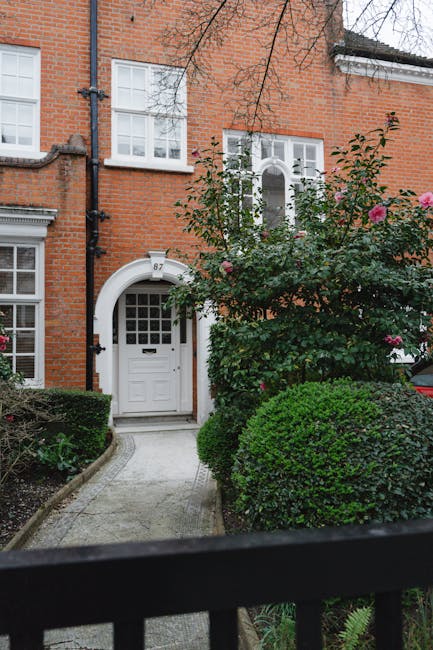
West Hendon Estate gardeners access problems and solutions
If you live or work around West Hendon Estate, you'll know that garden jobs are not always as simple as turning up with a van and a mower. Narrow routes, controlled entry points, shared walkways, awkward parking, security checks, lift access for upper levels, and time restrictions can all slow things down. That is exactly why West Hendon Estate gardeners access problems and solutions deserve a proper, practical look.
Whether you need a one-off tidy-up, regular maintenance, hedge work, lawn care, or a more involved clearance, access planning can make the difference between a smooth visit and a frustrating delay. In this guide, we'll cover the real-world barriers gardeners face on estate properties, how professionals work around them, and what you can do to make every visit easier, safer, and faster. A bit of planning up front saves a lot of faffing about later.
For a broader look at the services that often sit behind these access issues, you may find the services overview useful, especially if your garden needs more than just a quick trim.
Table of Contents
- Why access problems matter on West Hendon Estate
- How access planning works in practice
- Key benefits and practical advantages
- Who this is for and when it makes sense
- Step-by-step guidance
- Expert tips for better results
- Common mistakes to avoid
- Tools, resources and recommendations
- Law, compliance, standards and best practice
- Options, methods and comparison table
- Case study or real-world example
- Practical checklist
- Conclusion
- Frequently asked questions
Why West Hendon Estate gardeners access problems and solutions Matters
Access is not just a logistics issue. It shapes the whole job. If a gardener cannot reach the back garden easily, cannot park safely, or cannot get equipment through a shared entrance, the work takes longer and often costs more. Sometimes it even becomes impossible on the day, which nobody enjoys, least of all the customer standing there with an overgrown patch and a cup of tea going cold.
On estates like West Hendon, access issues tend to be a mix of practical and social factors. You may have residents coming and going, controlled gates, communal areas that must be kept clear, or a garden that sits behind a building with no obvious route in. Add in weather, bin day, delivery vans, and the usual London squeeze, and you can see why experienced gardeners plan ahead rather than wing it.
It matters because good access planning protects three things:
- Time - fewer delays, fewer return visits, fewer wasted trips.
- Safety - less lifting through tight spaces, fewer trip hazards, better control of tools and waste.
- Results - a better finish, because the team can actually get the right tools to the right place.
It also matters for communication. If access is unclear, expectations drift. One person thinks the side gate is open. Another assumes the concierge has the key. The gardener arrives and nobody is quite sure who is meeting them. That sort of thing happens more often than people admit.
Expert summary: On estate properties, the best garden work starts before the first tool comes out of the van. Clear entry details, parking guidance, and a realistic plan for moving equipment are often as important as the actual gardening.
How West Hendon Estate gardeners access problems and solutions Works
In practice, solving access problems is about reducing friction before the visit and staying flexible on the day. There is no single magic fix. Instead, experienced gardeners break the job into small access questions and answer them one by one.
1. Confirm the route in and out
The first question is simple: how does the team get from the street to the garden? That route might include an estate entrance, a shared hallway, a lift, a rear alley, or a side passage. Each route has its own quirks. A narrow path may need lightweight tools. A lift may limit the size of items carried. A shared corridor may need careful protection to avoid marks or soil spills.
2. Identify parking and unloading points
Parking can be the quiet troublemaker. If the van cannot stop nearby, carrying hedge trimmers, bags of waste, or lawn equipment becomes slower and more tiring. Good planning means confirming whether there is a loading bay, permit arrangement, visitor space, or a realistic drop-off point. If not, the team can adjust with smaller loads, a second pair of hands, or a more efficient order of work.
3. Check keys, codes, and access permissions
This one sounds obvious, but it causes plenty of issues. Is there a gate code? Is the concierge expecting the team? Is somebody meeting them at the entrance? Are there timed access windows? If any of that is unclear, work starts with confusion, and confusion eats time.
4. Match the task to the route
A simple lawn mow is one thing. A full garden clearance is another. If access is awkward, the scope of work matters even more. Garden clearance usually means more waste handling, more trips in and out, and a greater need for a clear route. You can read more about this type of work on the garden clearance page.
5. Build the service plan around the site
Once the access picture is clear, the actual job plan changes. A gardener might bring smaller bags instead of large bins, choose quieter arrival times, split the job into stages, or start with tasks that use fewer tools. For regular care, a structured garden maintenance visit can be scheduled in a way that fits the estate routine rather than fighting it.
That's the core idea. Access issues are not separate from the gardening. They are part of the job design.
Key Benefits and Practical Advantages
When access is handled properly, the benefits show up immediately. Some are obvious, others less so.
- Faster visits: The team spends less time looking for entry points or moving kit twice.
- Cleaner finish: Fewer disruptions mean less mess left in communal areas.
- Less stress for residents: Nobody wants strangers wandering around trying doors or asking neighbours for help.
- Better value: Efficient access often reduces avoidable labour time.
- More reliable scheduling: The job is less likely to overrun or need a return trip.
There is also a trust benefit. When a gardener turns up prepared, follows the agreed route, and handles the site respectfully, people notice. It sounds small, but on an estate, small things build confidence fast. A team that keeps shared spaces tidy and communicates clearly is usually a team people book again.
For larger properties, better access planning can also influence what kind of work is realistic. A compact route may suit lawn care and hedge trimming better than heavy landscaping. If your garden needs structural changes or a redesign, a conversation about landscape gardening or landscaping may be the right next step rather than simply asking for more of the same maintenance.
Who This Is For and When It Makes Sense
This topic matters to more people than you might think. It is not just for landlords or estate managers. Homeowners, renters, property managers, housing associations, and even residents with small private gardens can all face access headaches.
It makes sense if you:
- live on or near West Hendon Estate and have limited parking outside your property
- need garden work carried out through a communal entrance or shared path
- have a rear garden that cannot be reached directly from the street
- want regular garden visits without repeated delays
- are arranging work for tenants or multiple properties
- have a garden that includes raised sections, narrow side access, or storage restrictions
It also matters if the work involves trees, tall hedges, or heavier waste. In those cases, access problems can quickly become safety issues too. Services like hedge trimming and tree lopping and removal often require more equipment, a clearer route, and tighter planning than people expect.
If your garden is simply overgrown and you are not sure where to begin, a visit from a team that understands estate access can be a very sensible first move. Truth be told, people often think the problem is the garden, but half the challenge is getting to it cleanly.
Step-by-Step Guidance
Here is a practical way to handle access planning on West Hendon Estate without overcomplicating it.
- Start with a site description. Write down the entrance route, parking options, gate details, stair access, and anything that could affect the visit.
- Share the exact garden location. Do not assume the team will know which block, which flat, or which rear garden you mean. Be specific.
- Clarify who is meeting the team. A named contact is far better than "someone will be there."
- Confirm key, fob, or code access in advance. If there are times when access is restricted, say so early.
- Describe any narrow or shared spaces. This helps the gardener decide whether to bring lightweight tools or adjust the equipment mix.
- Explain what the job includes. A quick mow is very different from clearing dense growth, cutting back shrubs, and taking waste away.
- Book a realistic time window. Tight time windows can work, but only if the access details are sound.
- Protect communal areas. Agree how waste will be moved, where tools can be temporarily set down, and how mess will be kept to a minimum.
- Review after the first visit. If something made access awkward, note it for next time. Small adjustments make the biggest difference.
A lot of access problems vanish once the first visit is logged properly. After that, the process gets easier. Not perfect, but easier. And that counts.
Expert Tips for Better Results
Here are the little things that tend to separate a smooth booking from a messy one.
Keep communication simple and complete
People sometimes send a message with the job request but forget the access details until the last minute. That is where delays begin. Put the location, route, gate info, and contact person in one place. One message, one version of the truth.
Match the service to the site conditions
If access is tight, choose services that can be delivered efficiently. Regular mowing is often easier to schedule than occasional major cutbacks. A simple lawn mowing visit may be straightforward, but if the grass has been left for weeks and the route is awkward, the job becomes slower very quickly.
Think about waste movement before the cut starts
Garden waste looks manageable when it is in one small pile. It becomes awkward once it's in bags, trimmings, branches, and a few muddy bits that cling to everything. Decide in advance where waste will be stacked temporarily and how it will leave the site.
Plan around people, not just the garden
On an estate, your schedule has to work around residents, cleaners, deliveries, and other trades. Early morning can be quieter, but not always practical. Midday can be busier. There is no perfect hour, only the least bad one for the specific site.
Use a service provider who understands the area type
That sounds obvious, yet it matters. An experienced local team will be used to the sorts of access oddities that come with estate living. They will ask the right questions without making a fuss, which is half the battle.
And yes, sometimes the best solution is simply a slightly smaller van. Not glamorous, but it works.
Common Mistakes to Avoid
Most access problems are avoidable. The tricky part is that they are usually caused by small oversights rather than major failures.
- Assuming the gardener will find their own way in. This wastes time and can create security issues.
- Booking the job before confirming parking. A beautiful plan on paper can fall apart if the van has nowhere safe to stop.
- Understating the amount of waste. A little trim can become a large clearance if the garden has been left alone for months.
- Forgetting communal rules. Shared paths and entrances need care and respect.
- Leaving gate keys or codes until the day itself. That is the classic one. It happens, then everybody scrambles.
- Expecting landscaping work to fit into a maintenance-sized access route. Bigger projects often need a different setup altogether.
There is also a softer mistake: not telling the gardener what bothered you last time. Maybe the path was too narrow for the trolley. Maybe the side gate stuck. Maybe waste bags had to be carried too far. Say it plainly. Good providers would rather know than guess.
Tools, Resources and Recommendations
You do not need a huge toolkit to solve access issues, but a few practical items help a lot.
- Site notes: a simple written summary of entry points, parking, and contact details
- Measuring tape: useful for checking gate widths, side passage space, or storage areas
- Lightweight waste sacks: easier to move through narrow routes than bulky containers
- Protective coverings: helpful for shared hallways, lifts, or entrances
- Weather-aware planning: wet days mean more mud, more slips, and more care needed on paving
For residents or managers organising recurring work, it can help to keep a standing record of what went well. One line is enough: "Use rear gate only," "Call before arrival," "No parking by the main entrance," and so on. That sort of note prevents repeated confusion.
If access is complicated because the property is being reshaped or improved, a conversation about decking services or broader garden design may also be worth having. Sometimes the best long-term fix is a small change to the space itself, not just better timing.
For clients who want to understand how a provider handles professionalism and risk, the pages on insurance and safety and health and safety are the kind of things worth checking before anyone starts work.
Law, Compliance, Standards and Best Practice
Access planning on estate properties is not usually about obscure legal technicalities. It is mostly about sensible care, duty of care, and respectful working. That said, there are a few principles worth keeping in mind.
First, anyone working on a site should take reasonable steps to avoid damage, injury, or disruption. On a busy estate, that means not blocking communal routes, not leaving tools where people could trip, and not assuming shared access is automatically available.
Second, if the work involves waste removal, it should be handled properly and in line with accepted UK practice. That does not mean every job turns into paperwork theatre. It simply means waste should be moved, stored, and disposed of responsibly.
Third, when access is awkward, safe working becomes even more important. A narrow passage or staircase can turn a light job into a manual handling issue. That is why experienced teams plan load sizes, team numbers, and route choices carefully.
Fourth, residents and managers should expect clear communication. Good practice means arriving when agreed, explaining delays, and leaving communal areas clean. In real life, that is what most people mean by professionalism anyway.
You can also review a provider's approach to transparency by checking pricing and quotes and the relevant terms and conditions. If payment matters to you, the page on payment and security is another sensible stop. No drama, just due diligence.
Options, Methods and Comparison Table
Different access problems need different fixes. Here is a simple comparison to help you choose the right approach.
| Access issue | Best practical response | Works well for | Watch out for |
|---|---|---|---|
| Locked gate or entry system | Share codes, keys, or meet-and-greet instructions in advance | Routine maintenance, hedge trimming, general tidy-ups | Last-minute changes and missed handovers |
| No nearby parking | Arrange loading details, permit info, or a safe drop-off point | Most garden jobs, especially those with waste removal | Long carrying distances and delayed starts |
| Narrow side passage | Use smaller tools, lighter waste loads, and compact transport methods | Regular maintenance and light clearance | Overestimating what fits through comfortably |
| Shared communal access | Protect floors, keep noise and mess low, and avoid blocking routes | Estate-based homes and flats with garden access | Complaints from neighbours or residents |
| Large overgrown garden | Split the work into stages and allow enough time for waste handling | Clearances and first-time restorative work | Trying to squeeze a big job into a short visit |
The takeaway is straightforward: do not treat all access problems the same. A locked gate is not the same as a narrow passage, and neither is the same as a lack of parking. Each one needs its own fix.
Case Study or Real-World Example
Here's a realistic scenario. A resident on West Hendon Estate wants a front and back tidy-up after a few weeks away. The rear garden is fine once you reach it, but access is through a communal route with limited parking nearby. There is also a side gate that sticks a bit if it has rained, which, of course, it has.
Rather than turning up with a full van and hoping for the best, the gardener confirms the entry point the day before, asks for the exact gate code, checks where the nearest safe stop is, and brings a smaller load of tools. The job starts with the easiest areas first. Waste is bagged in manageable amounts, then moved out in stages so the communal path stays clear.
Nothing dramatic happens. That is the point. The job feels calm, organised, and respectful. The resident does not need to field awkward questions from neighbours, and the gardener is not wasting energy carrying equipment the long way round.
Now compare that with a less organised approach. The team arrives, cannot park easily, waits for a callback, and discovers the key is with someone who has stepped out. Suddenly a two-hour job becomes a half-day headache. Same garden. Very different day.
That is why access planning is not optional detail. It is part of the service.
Practical Checklist
Before any garden visit on West Hendon Estate, run through this list.
- Have you confirmed the exact property and garden location?
- Do you know which entrance, gate, or route will be used?
- Are keys, fobs, or codes ready and shared with the right person?
- Has parking or unloading been checked?
- Is there a contact person available on arrival?
- Have communal areas or shared paths been considered?
- Is the job a quick maintenance visit or a larger clearance?
- Have any hazards been mentioned, such as uneven paving, low branches, or tight corners?
- Do you know where waste will be stacked temporarily?
- Has the provider been told about any timing restrictions or neighbour sensitivities?
Quick reminder: the more specific you are, the smoother the visit tends to be. It really is that simple.
Conclusion
West Hendon Estate gardeners access problems and solutions are really about turning uncertainty into a plan. Once the route, parking, entry method, and job scope are clear, garden work becomes far easier to manage. The garden itself may still need hard work, sure, but access stops being the thing that trips everyone up.
If you are arranging a first visit or dealing with a recurring access issue, start with the basics: exact location, clear entry instructions, sensible timing, and a realistic view of what can be carried where. From there, the rest usually falls into place. Not always perfectly, but usually well enough to keep the day moving.
For a team that can help you think through the practical side before the work begins, learn more about the business on the about us page or take a look at the full range of services on the services overview.
Get a free quote today and see how much you can save.
And if there is one final thought to leave you with, it is this: a well-planned garden visit feels calm, almost effortless, and that calm is worth a lot on a busy estate.
Frequently Asked Questions
What are the most common access problems for gardeners on West Hendon Estate?
The most common issues are limited parking, locked or coded gates, narrow shared pathways, lift restrictions, and unclear meeting instructions. On some visits, the real problem is not the garden at all, but simply getting tools and waste in and out without disruption.
How do gardeners usually solve access issues on estate properties?
They solve them by gathering details in advance, confirming the entry route, arranging parking or drop-off points, using smaller or lighter equipment where needed, and scheduling the work around residents and estate routines. Good communication solves more than people expect.
Should I give the gardener gate codes or key access before the visit?
Yes, if you are comfortable doing so and it is appropriate for the site. Gate codes, key instructions, and meeting points are best shared before arrival so the job can begin on time and without confusion.
Can a gardener work if there is no parking close to the property?
Usually yes, but the job may need to be planned differently. The team might bring smaller loads, allow extra time for carrying tools and waste, or use a more compact setup. If parking is very difficult, mention it early.
What if my garden is accessible only through a communal entrance?
That is common on estate properties. The key is to protect shared spaces, keep noise and mess low, and make sure the gardener has clear permission and instructions. A clean, respectful approach keeps everyone happier.
Are garden clearance jobs harder when access is tight?
Yes, usually. Clearance often involves more waste, more trips, and more handling. That does not make it impossible, but it does mean the access plan needs to be tighter than for a simple tidy-up or mow.
How can I make a regular garden maintenance visit easier?
Keep the route clear, share any changes early, and keep the same contact details where possible. Regular maintenance works best when the provider can follow a familiar process each time.
What should I tell the gardener before they arrive?
Tell them the exact location, access route, parking options, gate or door instructions, whether anyone will meet them, and what kind of work is needed. If there is anything awkward, like a sticky gate or a low step, mention that too.
Do access issues affect pricing?
They can, depending on how much extra time, labour, or specialist handling is involved. A straightforward visit is one thing; a job that needs extra carrying or staged waste removal is another. The best approach is to request a clear quote upfront.
What kind of services are most affected by access problems?
Services that need more equipment or waste handling are usually most affected. That includes garden clearance, hedge trimming, tree work, and some landscaping or decking projects. Regular mowing and light maintenance are often easier, but even those can be affected by poor access.
Is it worth improving access on my property long term?
Often yes. Even a small change, like better gate hardware, clearer storage, or a more practical route for waste, can save time on every future visit. Over time, those little gains add up.
How do I know whether I need maintenance or a bigger landscaping project?
If the garden only needs regular cutting, tidying, and seasonal care, maintenance is usually enough. If the layout, surfaces, or planting structure needs changing, then landscaping or landscape gardening may be more suitable. When in doubt, describe the issue and let a professional assess it.